Fleet maintenance management software helps fleet operators plan, manage and monitor vehicle maintenance more efficiently. It replaces paper records, spreadsheets and disconnected processes with one digital system for managing inspections, servicing, repairs, defects and maintenance history.
Whether you operate HGVs, vans, trailers, plant or specialist assets, fleet maintenance management software can help reduce vehicle downtime, improve compliance and give you greater control over maintenance costs.
This guide explains what fleet maintenance management software is, how it works, its key features and the benefits it can deliver for commercial vehicle fleets.
Fleet maintenance management software is a digital system that helps businesses plan, track and manage every aspect of vehicle maintenance from one central platform.
Instead of relying on paper files, calendars and manual updates, it brings together information such as planned maintenance schedules, vehicle inspections, reported defects, repairs, service history and compliance records.
For commercial vehicle operators, this provides a clearer view of each vehicle’s maintenance status, helping teams act before issues lead to missed inspections, unexpected breakdowns or unnecessary time off the road.
Most fleet maintenance management systems follow a simple digital workflow:
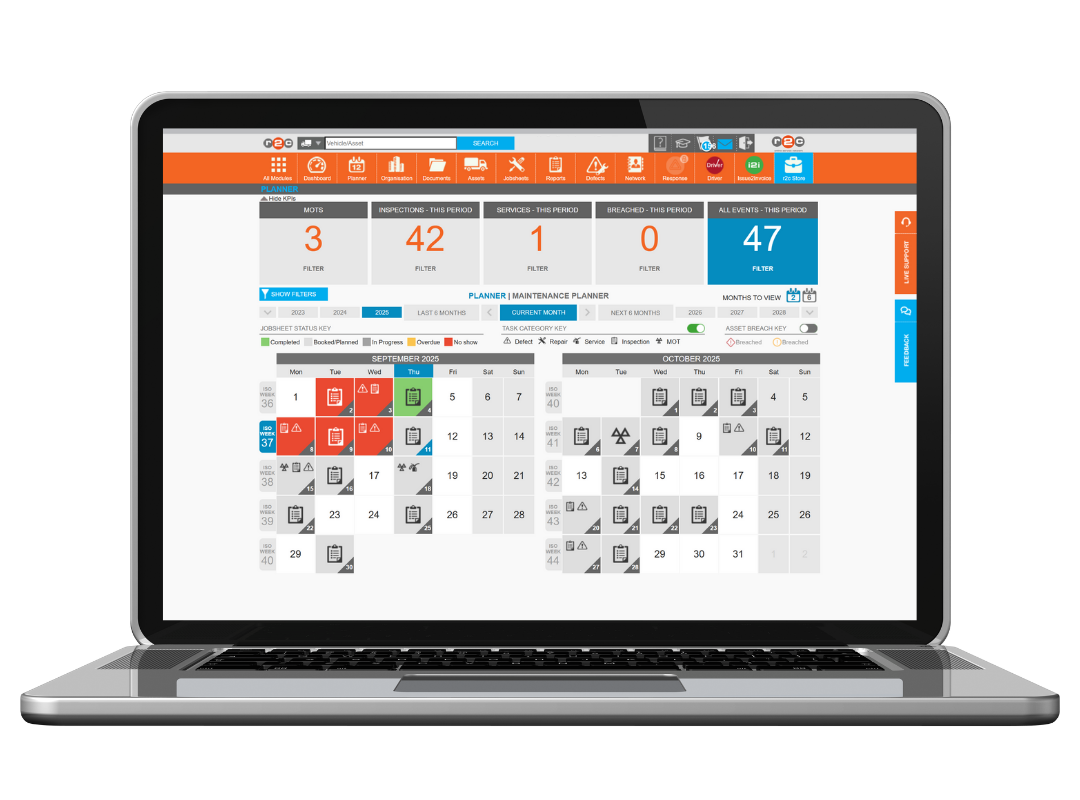
Schedule servicing, inspections, MOTs and other maintenance activities, with reminders that help keep important dates and intervals visible.
Maintain a complete digital history of inspections, servicing, repairs, defects and supporting documents for every vehicle and asset.
Capture pre-use vehicle checks digitally and ensure reported defects can be reviewed, assigned and resolved efficiently.
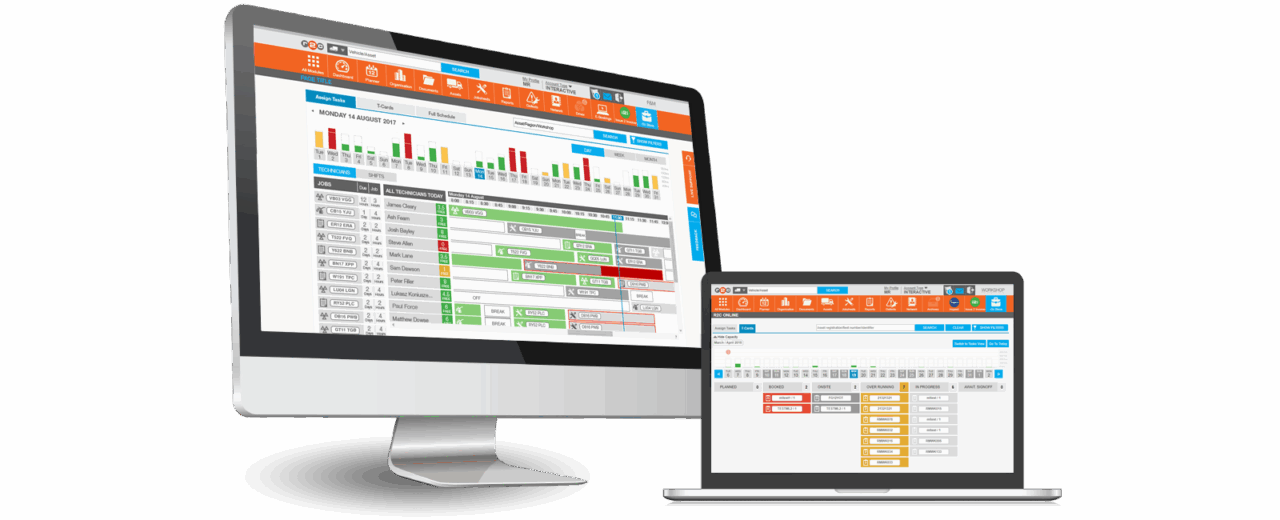
Give fleet teams, workshops and repair providers access to the information they need, helping to reduce delays and improve communication around maintenance work.
Monitor maintenance activity, inspection records and vehicle status to support a more consistent and auditable compliance process.
Use real-time dashboards and reports to identify upcoming work, recurring defects, maintenance trends and areas for improvement.
| Traditional fleet maintenance | Digital fleet maintenance management |
|---|---|
| Paper files and spreadsheets | Centralised digital maintenance records |
| Manual diary reminders | Planned maintenance schedules and alerts |
| Limited visibility of vehicle status | Real-time view of maintenance activity |
| Defects managed through calls or emails | Digital defect reporting and tracking |
| Time-consuming audit preparation | Clear, accessible maintenance history |
| Reactive repairs and avoidable delays | More proactive maintenance planning |
Look for software that offers:
Effective fleet maintenance is not simply about repairing vehicles when something goes wrong. A planned approach helps operators identify and manage maintenance requirements before they develop into more costly issues.
Planned maintenance can help businesses:
By bringing maintenance planning, defect management and vehicle records together, fleet management software makes it easier to move away from reactive maintenance and make more informed decisions.
Learn more about how to report & manage defects effectively.
Fleet maintenance management software helps operators plan, manage and track vehicle servicing, inspections, repairs, defects and maintenance records from one central system.
Yes. It is widely used by operators managing HGVs, LCVs, trailers, buses, plant and specialist assets to improve maintenance planning, compliance and vehicle availability.
Fleet management covers the wider operation of vehicles, drivers, costs and compliance. Fleet maintenance management focuses specifically on vehicle servicing, inspections, repairs, defects and maintenance planning.
Yes. By helping teams schedule maintenance, manage defects promptly and identify issues earlier, it can reduce the risk of avoidable breakdowns and unplanned vehicle downtime.
It can support compliance by creating clear digital records of inspections, servicing, defects and repairs, making important vehicle information easier to access and review.
Many systems include a digital driver-checking process that allows drivers to complete pre-use checks and report defects quickly, helping fleet teams and workshops respond sooner.
Fleet operators should retain accurate records of inspections, servicing, repairs, defects, MOTs, maintenance schedules and vehicle history. A digital system can make these records easier to manage, retrieve and review.
Discover how r2c helps commercial vehicle operators manage planned maintenance, vehicle inspections, defects and compliance from one connected platform.