Digital HGV Inspection Sheets:
A Guide to Paperless Vehicle Inspections

Digital HGV inspection sheets replace traditional paper inspection forms with electronic records that can be completed, stored and accessed digitally. They help commercial vehicle fleets and workshops record inspections consistently, report defects more quickly and maintain an accessible history of vehicle maintenance and inspection activity.

For organisations managing HGVs, digital inspection sheets can reduce paperwork, improve visibility and create a clearer audit trail from the initial vehicle inspection through to any subsequent maintenance or repair.

This guide explains what digital HGV inspection sheets are, how they work, their role in PMI inspections and the advantages of moving from paper to digital vehicle inspections.

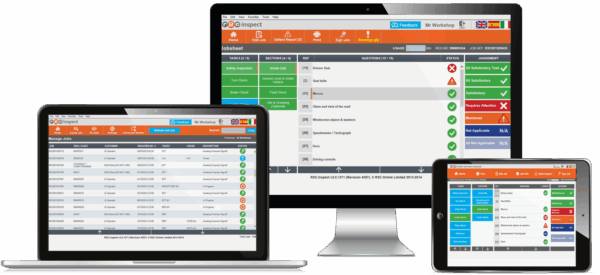
HGV inspection software and digital job sheets displayed on desktop, tablet and mobile devices.

What Are Digital HGV Inspection Sheets?

Digital HGV inspection sheets are electronic versions of the forms used to record the condition and roadworthiness of heavy goods vehicles during scheduled or routine inspections.

Instead of completing a paper form, technicians or other authorised users record inspection results electronically using a computer, tablet or other supported device.

Depending on the system being used, an electronic inspection sheet can capture information including:

  • Vehicle and asset details
  • Inspection dates and times
  • Inspection results
  • Identified defects
  • Technician notes
  • Photographs
  • Digital sign-offs
  • Repair or rectification information


The completed inspection then forms part of the vehicle’s digital maintenance history.

How Do Digital HGV Inspection Sheets Work?

A typical digital HGV inspection process follows a straightforward workflow:

  1. Vehicle or asset selected
  2. Correct inspection sheet opened
  3. Technician works through the inspection
  4. Results recorded electronically
  5. Defects and supporting evidence captured
  6. Required maintenance or repairs identified
  7. Inspection completed and signed off
  8. Record stored against the vehicle
  9. Defects tracked through to rectification


Connecting these stages digitally can reduce duplication and make inspection information available more quickly to workshop and fleet management teams.

Team using a laptop to perform a PMI on an HGV
Workshop manager using workshop management software in a commercial vehicle workshop.

What Are PMI Inspections?

PMI stands for Preventative Maintenance Inspection. These planned inspections form part of a commercial vehicle operator’s preventative maintenance programme and are used to identify defects, deterioration and maintenance requirements before they result in more serious problems.

The frequency and content of preventative maintenance inspections should reflect the operator’s vehicles, operating conditions, maintenance arrangements and applicable requirements.

Using digital PMI inspection sheets allows inspection information to become part of the vehicle’s wider electronic maintenance history rather than remaining on an isolated paper form.

Key Features of Digital HGV Inspection Sheets

Electronic Inspection Records

Record HGV inspections electronically and maintain an organised history against each vehicle or asset.

Digital Defect Reporting

Record faults identified during an inspection so they can be communicated and progressed through the maintenance process.

Photographs and Supporting Evidence

Attach photographs, notes and other relevant information to provide additional detail about defects or vehicle condition.

Digital Sign-Offs

Record completion and technician sign-off electronically, creating greater accountability around the inspection process.

Customisable Inspection Templates

Use inspection sheets appropriate to different vehicle and asset types, helping standardise processes across a fleet or workshop.

Digital Audit Trails

Maintain a traceable record of inspections, identified defects and subsequent maintenance activity.

Paper vs Digital HGV Inspection Sheets

Paper inspection sheets can record the information needed for an HGV inspection, but they also require physical handling, storage and retrieval. Information may need to be re-entered into other systems, while defects can require separate communication between technicians, managers and maintenance teams.

Digital HGV inspection sheets bring this information into a connected electronic process.

Paper inspection sheets:

  • Require physical storage and filing
  • Can be misplaced, damaged or difficult to retrieve
  • May require information to be entered into other systems manually
  • Make large volumes of inspection data harder to analyse

Digital inspection sheets:

  • Create searchable electronic inspection records
  • Provide faster access to vehicle inspection history
  • Allow defects and supporting evidence to be recorded digitally
  • Reduce duplicate data entry
  • Create clearer digital audit trails
  • Make inspection data easier to report and analyse

Moving from paper to digital inspections is therefore about more than replacing a form. It can improve how inspection information flows through the entire maintenance process.

Benefits of Digital HGV Inspection Sheets

Digital vehicle inspections can help fleets and workshops improve both compliance processes and operational efficiency.

Key benefits include:

  • Reduced administration: Less time spent handling, filing and retrieving paperwork.
  • Consistent inspections: Standardised electronic templates help technicians follow the correct inspection process.
  • Improved defect visibility: Identified defects can be communicated to the relevant teams more quickly.
  • Accessible inspection records: Historic inspection information can be retrieved when required for maintenance reviews or audits.
  • Better maintenance visibility: Inspection findings can be connected with subsequent repairs and maintenance.
  • Useful operational data: Digital inspection records can help identify recurring defects, maintenance trends and problem vehicles.

Choosing a Digital HGV Inspection System

When comparing digital inspection software, look beyond simply replacing your existing paper form.

Consider whether the system supports:

  • HGV and commercial vehicle inspection templates
  • Customisable inspection sheets
  • Digital defect reporting
  • Photograph and supporting evidence capture
  • Electronic technician sign-off
  • Vehicle inspection history
  • Digital audit trails
  • Integration with maintenance workflows
  • Reporting and analytics
  • Secure record storage


The right system should make inspections easier to complete while improving what happens to the information afterwards.

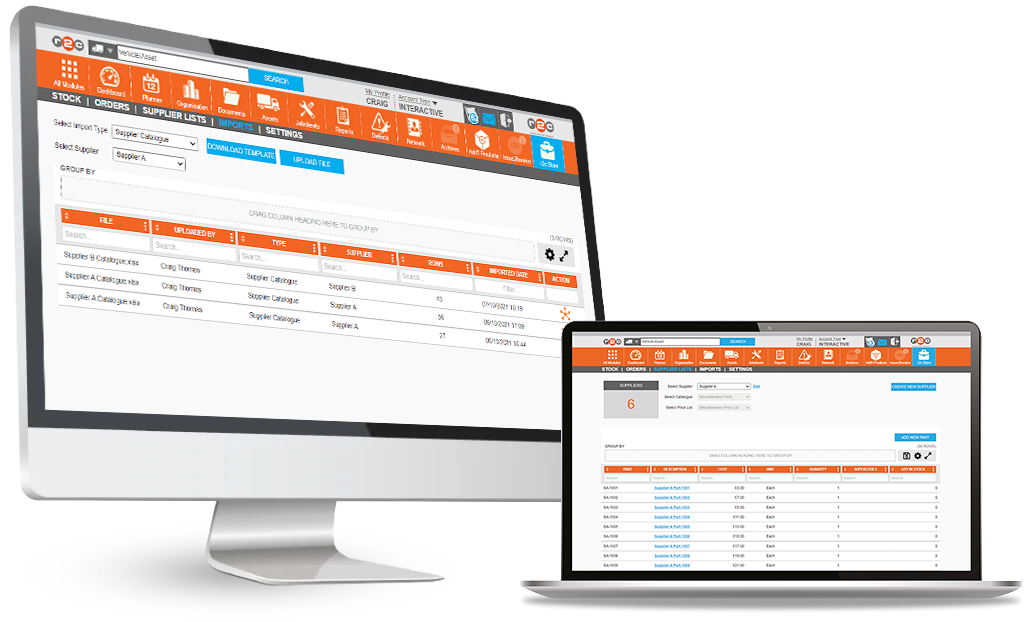
r2c Stock Management dashboard for commercial workshop management
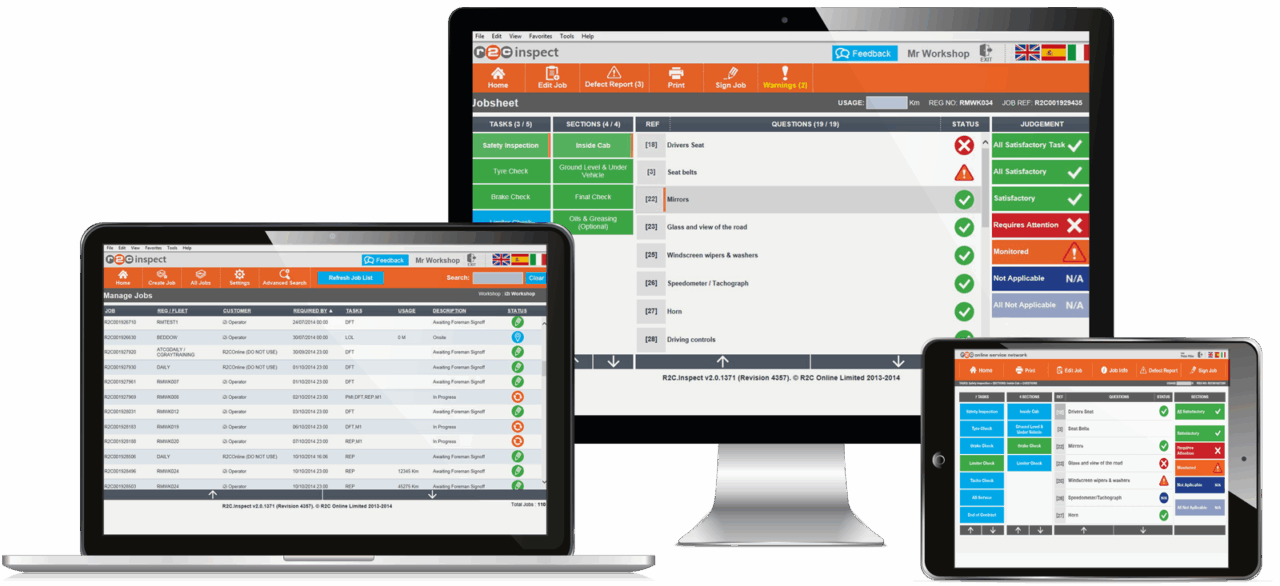
HGV inspection software and digital job sheets displayed on desktop, tablet and mobile devices.

How r2c Helps with Digital HGV Inspections

r2c provides connected digital tools for commercial vehicle inspections, workshop management, maintenance and compliance.

For workshops, r2c Inspect digitises inspection and service processes, helping technicians complete inspections consistently while creating an electronic record of the work carried out. Inspection information can become part of the wider maintenance workflow rather than remaining on an isolated paper form.

For fleet operators, r2c also provides Daily Driver Checks, enabling drivers to complete digital walkaround checks, capture supporting evidence and report defects in real time.

By connecting inspections, defects and maintenance records within the wider r2c platform, fleets and workshops gain greater visibility from initial inspection through to rectification.

Frequently Asked Questions

What is a digital HGV inspection sheet?

A digital HGV inspection sheet is an electronic form used to record the results of an HGV vehicle inspection, replacing the traditional paper inspection sheet with a digital record.

There is effectively no difference. Both terms describe an inspection form that is completed and stored electronically rather than on paper.

PMI stands for Preventative Maintenance Inspection. It is a planned vehicle inspection used as part of a preventative maintenance programme to identify defects, deterioration and required maintenance.

Yes. PMI inspection results can be recorded electronically, making them easier to store, retrieve and connect with the vehicle’s wider maintenance history. r2c also has an API that can automatically import third-party documents and map them to the correct asset or job.

Digital inspection records can reduce paperwork, improve access to historical information, provide clearer audit trails and make it easier to connect identified defects with subsequent maintenance.

Where supported by the inspection software, photographs and other supporting evidence can be attached to inspection or defect records, providing additional information about vehicle condition.

Looking for Workshop Management Software?

Discover how r2c helps commercial vehicle workshops replace paper processes with digital job sheets, improve productivity and gain complete visibility of every maintenance job.